Loading...
First Round of Abstract Submission Ends: Dec 31, 2026
Extended Early Bird Ends: Dec 28, 2026

Keynote Speakers

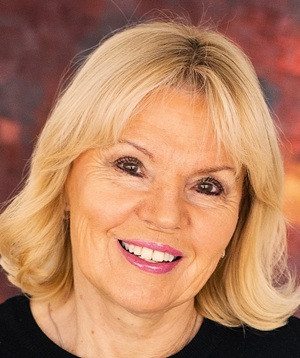
Prof. Marja-Liisa Riekkola
University of Helsinki, Finland
Title: Drones with miniaturized samplers and portable devices as valuable analytical tools.
Since 1987 Professor of Analytical Chemistry and since 2023 Professor (Emer), University of Helsinki. Educated over 450 MSc and 40 PhD degrees in analytical chemistry. Research interests: Development of analytical instrumental techniques and their applications to atmospheric studies and to isolation of biomacromolecules. Active board member in national and international scientific committees, councils, evaluation panels and societies in different countries in Europe. Published over 400 scientific peer-reviewed publications, one book (1st edition and 2nd extended edition in Finnish), and as joint Editor book on Liquid Chromatography (Vols. 1 and 2, 2017 and 2023, Elsevier) and 15 book chapters, and over 200 other scientific papers in the field of analytical chemistry. Awarded the Magnus Ehrnrooth Prize in Chemistry, Emmanuel Merck Prize in Chromatography and the Russian Tswett Medal in Chromatography. Member of the Finnish Society of Science and Letters, and Member of Finnish Academy of Science and Letters. Belonged in 2013 and 2015 to the top 100 Power List and in 2016 the top 50 Women list and in 2023 to Leaders and Advocates in Analytical Science of the magazine “The Analytical Scientist”. Editor-In-Chief of J. Chromatogr. A and Editorial Board Member of Electrophoresis, J. Chromatogr. Open, J. Sep. Sci., J. Chromatogr. Sci., Results in Chemistry and AIMS Environmental Science.
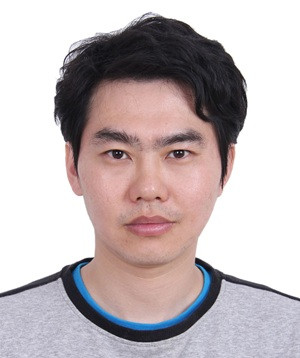
Dr. Min Chen
Nanjing Normal University, China
Title: Environmental modeling and simulation in the AI era
Dr. Min Chen is the Dean of school of geography, and the Director of the Key Lab of Virtual Geographic Environment (MOE, PRC) at Nanjing Normal University, China. He now leads the Open Geographic Modeling and Simulation (OpenGMS) team. The OpenGMS platform (https://geomodeling.njnu.edu.cn/) allows geographic modeling knowledge and models to be widely shared, allowing different researchers and even the general public to more easily access and use related knowledge and models to explore the geographic world and understand our planet.

He is a fellow of Academia Europaea, a fellow of Academy of Social Sciences, a fellow the International Environmental Modelling and Software Society (iEMSs), a fellow of the Modelling and Simulation Society of Australia and New Zealand, and a fellow of the Royal Geographical Society (RGS), a Fellow of the American Association of Geographers (AAG). He is the Vice President of the iEMSs, Deputy Chair of the United Nations Committee of Experts on Global Geospatial Information Management (UN-GGIM) Geospatial Societies (GS), the Chair of the Commission on Geographical Modelling of the International Geographical Union. He was the President of the International Association of Chinese Professionals in Geographic Information Sciences.

With over 250 journal papers published in leading journals such as Science, Nature Reviews Earth & Environment, Nature Climate Change, Nature Geoscience, and PNAS, as well as 20 conference papers and book chapters.
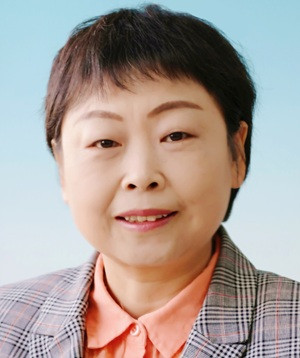
Prof. Hongwen Sun
Nankai University, China
Title: The occurrence of trifluoro acatic acid and its potential precursors
Dr. Hongwen SUN is a professor and dean of TEDA College, Nankai University, China. She acquired her Ph D at Nankai in 1994 and has been working there till now. She holds the chair of, 1) Center on Environmental Processes and Risk Assessment of Emerging Contaminants, supported by MOE, China; 2) Innovative Team on Risk Assessment and Pollution Remediation supported by MOST, China. She commits herself to two research fields: 1) Source, fate, and human exposure of emerging organic contaminants; 2) Novel materials and technologies for the remediation of polluted soil. She has published over 700 journal papers,which have been cited more than 20,000 times in SCI. She was named with several talent titles by MOE, MOST, and NSFC, China. She is currently Advisory Board Member for the journal of Environmental Science & Technology and SEATC A/P board member, and serves several other internal and international journals as associated editor and editor board member.
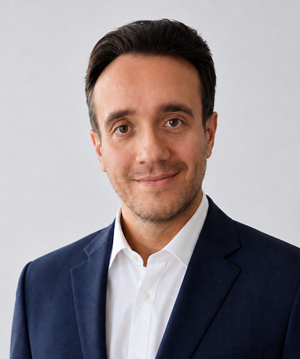
Dr. Pietro Patimisco
University of Bari, Italy
Title: Quartz-Enhanced Photoacoustic Gas Sensing: towards the next generation of environmental monitoring
Pietro Patimisco is Associate Professor at the Department of Physics of the University of Bari, Italy, where he teaches Laser Spectroscopy, Solid-State Physics, Optoelectronics, and Physical Methods for Environmental Science. He is also Honorary Professor at the Department of Optoelectronic Engineering, Jinan University, China, and Head of the Technical Committee of PolySense, a public–private research laboratory for optical gas sensing. His research focuses on laser spectroscopy, quartz-enhanced photoacoustic spectroscopy (QEPAS), and elastic-wave transduction in piezoelectric materials, with applications ranging from trace-gas detection and environmental sensing to multiphysics modelling and advanced spectral analysis. He has authored more than 240 scientific publications, with over 7,800 citations and an h-index of 54 (Scopus), and has delivered 15 invited and plenary lectures at international conferences.
Prof. Werner Brack
Helmholtz Centre for Environmental Research-UFZ, Germany
Title: Toxic Chemical Mixtures in Global Water Resources
He holds a professorship at the Faculty of Biological Sciences at the Goethe University in Frankfurt/ Main.

He is particularly interested in researching the identification and evaluation of toxic compounds in complex mixtures of chemicals in the environment, particularly in multiply stressed aquatic ecosystems. His areas of expertise are in chemical screening techniques to unravel complex mixtures of contaminants in water, sediments and biota, risk assessment of these mixtures for aquatic organisms at polluted sites and in river basins on the European scale and the identification of risk drivers and sources using effect-directed analysis.

He was the coordinator of the EU project "SOLUTIONS for present and future emerging pollutants in land and water resources management" in which 39 partners from Brazil, China, Australia and from all over Europe participate (https://www.solutions-project.eu).

He is member of the Steering Committee of the “Network of reference laboratories and related organizations for monitoring and bio-monitoring of emerging environmental pollutants” (NORMAN) and member of the Society for Environmental Toxicology and Chemistry (SETAC).
Prof. Xiaowu Huang
Guangdong Technion-Israel Institute of Technology, China
Title: Thriving in Salt: Anammox for saline sewage treatment
Xiaowu is a tenured Associate Professor at Guangdong Technion-Israel Institute of Technology. He received his PhD degree in Environmental Engineering from Kumamoto University, Japan, completed his postdoc training at The Hong Kong Polytechnic University and The University of Hong Kong, and was a visiting scholar at University of Hawaii at Hilo and Swiss Federal Institute of Aquatic Science and Technology (EAWAG). His research mainly focuses on wastewater treatment and resource recovery, biowaste recycling, and biomass refinery. He has published over 40 peer-reviewed articles in leading environmental journals and has received several technology innovation awards including the Guangdong Science and Technology Progress Award and Guangdong Environmental Protection Science and Technology Award. Currently he serves as the editorial board member for Water Research, editor for Journal of Environmental Management and executive editor for Current Research in Biotechnology.
Dr. Renzun Zhao
North Carolina A&T State University, USA
Title: PFAS in the Environment: Emerging Insights on Fate, Treatment, and Sustainable Mitigation
Dr. Renzun Zhao is an Associate Professor of Environmental Engineering at North Carolina A&T State University. He earned his PhD in Civil Engineering with a focus on Environmental and Water Resource from Virginia Tech. Prior to embarking on his academic career, Dr. Zhao garnered valuable industrial experience working with prominent organizations such as Veolia Water and DC Water.

Dr. Zhao’s research program has been sponsored by several prestigious agencies, such as the National Science Foundation (NSF), etc. His research findings have been published by various scientific journals, such as Nature Sustainability, etc. He was recognized by the American Association Environmental Engineers and Scientist (AAEES) 40 under 40 Program and Outstanding Young Investigator of North Carolina A&T State University.
Prof. Sabry Shaheen
University of Wuppertal, Germany & Kafrelsheikh University, Egypt
Title: Emerging Contaminants in Soil–Water Systems: From Redox Biogeochemistry to Engineering Solutions
Prof. Dr. Sabry M. Shaheen is a Full Professor of Soil, Water, and Environmental Sciences at Kafrelsheikh University, Egypt, and a Senior Scientist at the Laboratory of Soil and Groundwater Management, University of Wuppertal, Germany. His research focuses on environmental chemistry and the sustainable management of contaminated environments, particularly the biogeochemical fate, mobility, and risks of contaminants at the soil–water nexus under redox-driven processes. His research encompasses potentially toxic elements, rare earth elements, emerging contaminants, environmental risk assessment, and innovative approaches for soil and water remediation.

Prof. Shaheen has published 293 peer-reviewed articles and 21 book chapters, receiving more than 25,300 Scopus citations with an h-index of 90. He was recognized as a Clarivate Highly Cited Researcher in Environment and Ecology in 2021 and 2022 and has been included among the world’s top 2% of scientists for six consecutive years. In the 2026 ScholarGPS rankings, he is ranked #8 worldwide in Soil Contamination. He has also been ranked #1 in Egypt in Environmental Sciences and Chemistry for five consecutive years, while the AD Scientific Index 2026 ranks him #1 at Kafrelsheikh University across all fields and #1 in Agricultural & Soil Sciences in Egypt and Africa.

His scientific contributions have been recognized through numerous national and international honors, including the Distinguished Scientist Award of the Chinese Academy of Sciences (2026), the Order of the Republic of Egypt for Science and Art (2019), the State Award for Excellence in Agricultural Sciences (2018), and the Abdul Hameed Shoman Award for Arab Researchers (2015). He has also contributed extensively to international scientific conferences as a keynote speaker, session chair, organizer, and invited speaker.
Prof. Yu Liya
National University of Singapore, Singapore
Title: Seeing the invisible: Ultrafine Particles in a Tropical City
Dr. Yu is an Associate Professor in the Department of Civil & Environmental Engineering at the National University of Singapore. Her research group investigates the evolution and impact of gaseous and airborne particulate pollutants in urban environments, with findings that have facilitated policymaking to improve air quality in a unique tropical urban setting. She has served on the advisory and editorial boards of international scientific journals, co-chairs a regional working group in Asia and contributed to the Scientific Steering Committee of the International Global Atmospheric Chemistry (IGAC), a global scientific research community addressing long-standing, current and emerging challenges in the atmospheric environment.
Prof. Neng Yan
China University of Geosciences, China
Title: Visualizing and tracking the behavior and effects of typical engineered nanomaterials in organisms based on bioimaging techniques
Neng Yan is a Professor and Doctoral Supervisor at the School of Environmental Studies, China University of Geosciences (Wuhan). His main research focuses on the biogeochemical behavior and effects of typical engineered nanomaterials. He has published 50 papers in domestic and international journals including ACS Nano and Environmental Science & Technology, and co-authored 3 academic monographs. He has been granted 2 US patents and 3 Chinese national invention patents. He has presided over multiple projects funded by the National Natural Science Foundation of China. He currently serves as an editorial board member of New Contaminations, and a young editorial board member of Reviews of Environmental Contamination and Toxicology and Asian Journal of Ecotoxicology.
Prof. Yiliang He
Shanghai Jiao Tong University, China
Title: Challenges of Emerging Contaminants on Environmental Sustainability in Megacities
Prof. Yiliang He is the associate dean of China-UK International Low Carbon College and a full Professor of School of Environmental Science and Engineering, Shanghai Jiao Tong University. He was a visiting scholar at Gifu University in Japan in 2003, a visiting professor at the Georgia Institute of Technology in the United States in 2006, and a guest professor at the National University of Singapore from 2013 to 2025. He is a leading talent in Minhang District, Shanghai, and a thematic expert for the National Major Science and Technology Special Project on Water. He has long been engaged in teaching, research, and engineering practice in the field of environmental engineering. He has published over a hundred papers in top academic journals at home and abroad and at important international conferences such as the annual meeting of the International Water Association, and has compiled and published two academic monographs. As the project leader, he has presided over two research projects of the National Major Science and Technology Special Project on "Water Pollution Control and Treatment" during the "11th Five-Year Plan" and "12th Five-Year Plan" periods. As the project principal, he has successively undertaken six projects funded by the National Natural Science Foundation of China. As the chief PI, he is responsible for the research of the E2S2 project under the CREATE major international cooperation project of the Singapore government.

Research interests: Water pollution control and water environment restoration, environmental behavior of emerging pollutants, and environmentally friendly purification technologies.
Prof. Didier Orange
French National Research Institute for Sustainable Development, France
Title: From Water Flows to Resilient Territories: Ecohydrology, Nature-Based Solutions and the Water-Energy-Land-Food Nexus
Dr. Didier Orange is an ecohydrologist and holds a PhD in Geochemistry from the University of Strasbourg. As a Senior Researcher at the French National Research Institute for Sustainable Development (IRD), he has acquired extensive international expertise by leading major scientific projects on hydrology and water quality across Africa, Southeast Asia as IWMI collaborator, and the Mediterranean region. His current research focuses on water economics and the deployment of Nature-Based Solutions (NBS), through wastewater treatment and the reuse of non-conventional water at the intersection of biodiversity, urban development, and agricultural soil sustainability. Co-inventor of the SmartCleanGarden concept, Dr. Orange is a member of the editorial board of the journal Water and actively collaborates with INSTM and CERTE (Tunisia) within the framework of the OMELI Observatory in Ghar El Melh as UNESCO DEMOSITE. His presentation will highlight the contribution of ecohydrology at the heart of the Water-Energy-Land-Food Nexus for territorial resilience.
Prof. Benjamin K. Sovacool
Boston University, USA
Title: Valuing social science: Energy studies and the necessity of interdisciplinary and inclusive research
Benjamin K. Sovacool, PhD, is Professor of Earth and Environment at Boston University in the United States, where he was the Founding Director of the Institute for Global Sustainability. He is also Professor of Energy Policy at the Bennett Institute for Innovation & Policy Acceleration at the University of Sussex Business School. He is a Fellow of the Royal Society for Arts, Manufactures and Commerce, a Fellow of the Academy of Social Sciences, and a Fellow in the Academy of Europe (Academia Europaea). Professor Sovacool works as a researcher and consultant on issues pertaining to energy policy, energy justice, energy security, climate change mitigation, and climate change adaptation. More specifically, his research focuses on renewable energy and energy efficiency, the politics of large-scale energy infrastructure, the ethics and morality of energy decisions, designing public policy to improve energy security and access to electricity, and building adaptive capacity to the consequences of climate change. He is a globally renowned scholar who has devoted two decades of his career to improving energy access, climate justice, resilience, and decarbonization pathways in Asia, Africa, Europe, and North America.
Prof. Caterina A. M. La Porta
University of Milan, Italy
Title: Microbiomes in a Changing Environment: Quantitative Network Approaches from Soil to Human health
Caterina A. M. La Porta is full professor of general pathology, group leader of the Oncolab Laboratory (www.oncolab.it) of the Department of Environmental Science and Policy and member of the steering committee of the Center for Complexity and Biosystems (www.complexitybiosystems.it), of the Innovation For Well-Being And Environment Center and of the Center for Molecular chemio-prevention (CMCP) of chronic degenerative diseases (CDS) at the University of Milan. She is also the coordinator of the interdisciplinary laboratory “Integrative approach for Global Health” since 2022.

Prof. La Porta is included in the list of the World’s Top 2% Cited Scientists 2024 by Stanford University. She spent many periods abroad collaborating with many international universities and research institutes including MIT, Cornell University, the Weizmann Institute of Science, Aalto University and LMU In Germany. In 2017, she was selected among the “100 experts” the top women scientists in Italy (https://100esperte.it/). She was included in the exhibition of portraits of the 100 female scientists taken by photographer Gerald Bruneau that has been exhibited not only in Italy but around the world including USA (Washington, Los Angeles, Philadelphia, Chicago, New York), Prague, Panama, Costa Rica, Mexico City and the Technion in Haifa, Israel).

In 2025, Unesco selected Prof. La Porta for the exhibition on Women in Science, a collaborative endeavour drawing upon the collections and expertise of leading scientific museums worldwide, bringing to life the stories of extraordinary figures from diverse backgrounds.

For 2026/27 she is Mrs Urmila Agrawal IISc Distinguished Visiting Professor Chair at the Indian Institute for Science, Bangalore, India.

She was trained as a general pathologist and cell biologist and spent most of her career trying to understand basic phenomena in biological sciences, initially in neuroscience and later on in cancer using molecular biology and cell biology approaches. The main focus of her group is to understand cancer heterogeneity and in particular melanoma and breast cancer, one of the most aggressive tumors. In the last fifteen years, she shifted her interests to quantitative biology and digital medicine. She studied the emergent properties of cancer by developing algorithms able to catch quantitatively the dynamics of the complex regulatory networks of the cell (Ariadne, Stella). She published more than 150 publications contributing to the fields of digital medicine, cancer plasticity, computational biology, system biology, neuroscience, biophysics and global health. In 2017, she wrote a textbook on the “Physics of Cancer” published by Cambridge University Press. In 2026 she published the book Inequality and health by Peter Lang.
Dr. Halima Begum
Universiti Utara Malaysia, Malaysia
Title: WasteTechnological Investing impact on Environmental Sustainability Among Palm oil Mills
Dr Halima Begum is an Assistant Professor (Expert UUM) in the Department of Finance, School of Economics, Finance and Banking (SEFB), Universiti (y) Utara Malaysia (Best Eminent Management University, AMBA and AACSB-accredited business school) Universiti Utara Malaysia (UUM). She has 15 years+ research, 2 years of Industry, and 12 years of university-level teaching experiences across several countries.

Her research and teaching span sustainability, ESG, financial sustainability, environmental and ecological economics, Islamic microfinance, fintech, green banking and corporate finance. She has course co ordinating and supervised undergraduate practicum (32 students), E MBA, MSc (Finance Research-2) and PhD candidates (4), and contributing to curriculum development in the school. She has leading and member with several funded research grants.

Dr Begum is a Research Fellow (Visiting) at the Centre for European Economy, Azerbaijan State University of Economics, and an Adjunct Faculty at Northern University Bangladesh. She serves on the Management Team of the World Association of Professors on Sustainability Science and Research WASP-SSR - HAW Hamburg and the Advisory Board of the IFN Islamic Sustainable Finance & Investment Forum IFN Islamic Sustainable Finance & Investment Forum 2022. She is Associate Editor of the International Journal of Climate Change Strategies and Management (Emerald), Arab Gulf Journal of Scientific Research: Water, Energy, Food and Environment (Emerald) and holds multiple editorials with the international conference committee.

Dr. Halima Begum holds a PhD in Environmental Management (Financial Sustainability) from Universiti Kebangsaan Malaysia (UKM). Supported by the prestigious Zamalah Scholarship, she has published over 100+ scholarly works, including 54 refereed journal articles, 8 book chapters, and 47 conference papers, primarily in ISI Web of Science and Scopus-indexed journals. Her research focuses on sustainable finance, ESG, FinTech, Islamic finance, and sustainable economic development.
Prof. Alexander Mihailov
University of Reading, UK
Title: How the greening prosperity stripes and maps can track and compare visually progress toward net zero
Alexander Mihailov is Professor in Economics at the University of Reading, Director of the Group for Economic Analysis at Reading (GEAR), Associate Editor of Open Economies Review and member of the editorial board of Economic Thought and Krakow Review of Economics and Management. He has been employed by the University of Essex, the Créa Institute of Applied Macroeconomics at the University of Lausanne and the Research Department of the Bulgarian National Bank.

Professor Mihailov has held part-time academic positions at the University of Warwick, City University London, Studienzentrum Gerzensee and Sofia University, and short-term visiting appointments at the University of Lille and El Colegio de Mexico (Colmex). He is co-founder and co-organiser of the annual European Workshop on Political Macroeconomics (EWPM) and the Lille-Reading Workshop on International Finance.

He holds a PhD in Economics from the University of Lausanne (2004). His publications are in the areas of international macroeconomics and finance, monetary theory and policy, political macroeconomics and socioeconomic dynamics, information and learning.
Prof. Christian Laforsch
University of Bayreuth, Germany
Title: To be confirmed.
After studying biology at LMU Munich, he earned his doctorate there in 2003 with the highest distinction: *summa cum laude* (Dr. rer. nat.).

This was followed by postdoctoral research stays at the University of Leipzig and Lancaster University (UK).

After subsequently completing his habilitation in evolutionary ecology at LMU, he served as head of the Seeon Limnological Research Station (LMU).

Since 2012, he holds the Chair of Animal Ecology I at the University of Bayreuth’s Faculty of Biology, Chemistry and Earth Sciences. His research focuses on zoology and evolutionary ecology, particularly phenotypic plasticity and animal adaptation to environmental changes. Other areas of interest include coral reef ecology, the impact of multiple stressors on ecosystems, and - in particular - the effects of microplastics on human and environmental health.

Since 2019, Prof. Dr. Laforsch has served as spokesperson for the DFG-funded Collaborative Research Centre (SFB) 1357 "Microplastics": MICROPLASTICS – Understanding the mechanisms and processes of biological effects, transport, and formation: From models to complex systems as a basis for new solutions.
Dr. Sofoklis Makridis
University of Patras, Greece
Title: The use of hydrogen in nuclear wastes
Dr. Sofoklis Makridis is an Associate Professor at the Department of Environmental Engineering, University of Patras in Greece & Visiting Professor at the Faculty of Engineering and Informatics, University of Bradford, UK & Aerospace Manufacturing Department, Cranfield University, UK. He is Director of the legal entity Innoenergy lab (Environmental Physics and Hydrogen Technology). He was till 2013, a Lecturer in the Department of Engineering, Sports and Sciences at Bolton University and associated member in IMRI & IREET Institutes. He is a physicist while he received the MEng on 2002 and the PhD on 2004 in fields of Materials Science and Engineering & an awarded PostDoc by IKY Greek State Scholarships Foundation (NanoMagnetic Materials & Hydrogen Technologies). He serves as Editor-in-Chief at Challenges (MDPI) and at Verizona Publishing Ltd, London, Editor at Scientific Reports of Nature Published Group, Materials Science and Engineering B of Elsevier among others. He has built two spin-offs with the University of Patras till first half of 2021, WRE-UPATRAS & ARMONI-UPATRAS that have been registered at elevate Greece & his PhD students have developed two start-ups as HydroZen and Blue Planet P.C.
Prof. Lev V. Eppelbaum
Tel Aviv University, Israel
Title: An Integrated Archaeogeophysical Data Analysis Framework for Environmental Protection and Cultural Heritage Preservation
Lev V. Eppelbaum received his M.Sc. in Geophysics (1982) at the Azerbaijan State Oil and Industry University (ASOIU) in Baku and his Ph.D. (1989) at the Inst. of Geophysics in Baku, Georgian Acad. Sci. and Moscow Mining Academy. After repatriation to Israel, he held a Postdoctoral position (1991-93) at the Dept. of Geophysics, Tel Aviv University. From 1993 to 2005, he held positions at the university as Researcher, Senior Researcher, and Senior Lecturer. In February 2005, he was promoted to Research Professor. He has authored about 485 publications, including 13 books, about 210 articles, 80 Proceedings, and 165 papers presented at scientific conferences. Prof. L. Eppelbaum's primary research interests include advanced processing and interpretation of potential and quasi-potential geophysical fields, geodynamics, tectonics, paleomagnetic reconstructions, and integrated interpretation of geophysical and related data. He is a member of the International Commission's “Rotation of the Earth” and the WebMD Central Ecology Advisory Board. He was elected as a Foreign Member of the Russian Academy of Natural Sciences (RANS) (January 2017), and in March 2018, he was awarded the Gold Vernadsky Medal of the same academy. In April 2019, he, for his “extraordinary achievements in the potential geophysical field interpretation,” was awarded the Christian Huygens Medal of the European Geosciences Union. Lev Eppelbaum, in November 2020, was awarded the title of Honorary Professor of the ASOIU, and in 2021, by the medal suggested for the 100th anniversary of this university. In 2023, he was elected a Foreign Member of the Georgian National Academy of Sciences. In 2026, Prof. L. Eppelbaum became Head of the Archaeogeophysics Laboratory at the Center for Earth Sciences and Environmental Research at Baku State University.
Dr. Julien Kammer
Aix Marseille University, France
Title: BVOC emissions from natural sources and their atmospheric impact
Julien Kammer is associate professor at Aix Marseille University within the Laboratory of Environmental Chemistry since 2021, and member of the Institut Universitaire de France (IUF). His research fields belongs to atmospheric chemistry and physics, focusing on the characterisation of Volatile Organic Compound (VOC) emissions from a variety of natural sources, including forest ecosystems (maritime pine, holm oak), leaf litters (pine, oak, urban species), coastal ecosystems (Zostera marina, Posidonia oceanica) and emissions from agricultural sources (livestock buildings, crops, organic fertilisers). In addition to characterising these emissions, Julien Kammer has demonstrated, both in the laboratory and in the real atmosphere, that the atmospheric reactivity of VOCs with atmospheric oxidants (in particular OH and O₃) leads to the formation of Secondary Organic Aerosols (SOA). His research provides better understanding or processes being SOA formation, such as reactivity or gas particle partitioning.